 7
Rooms available
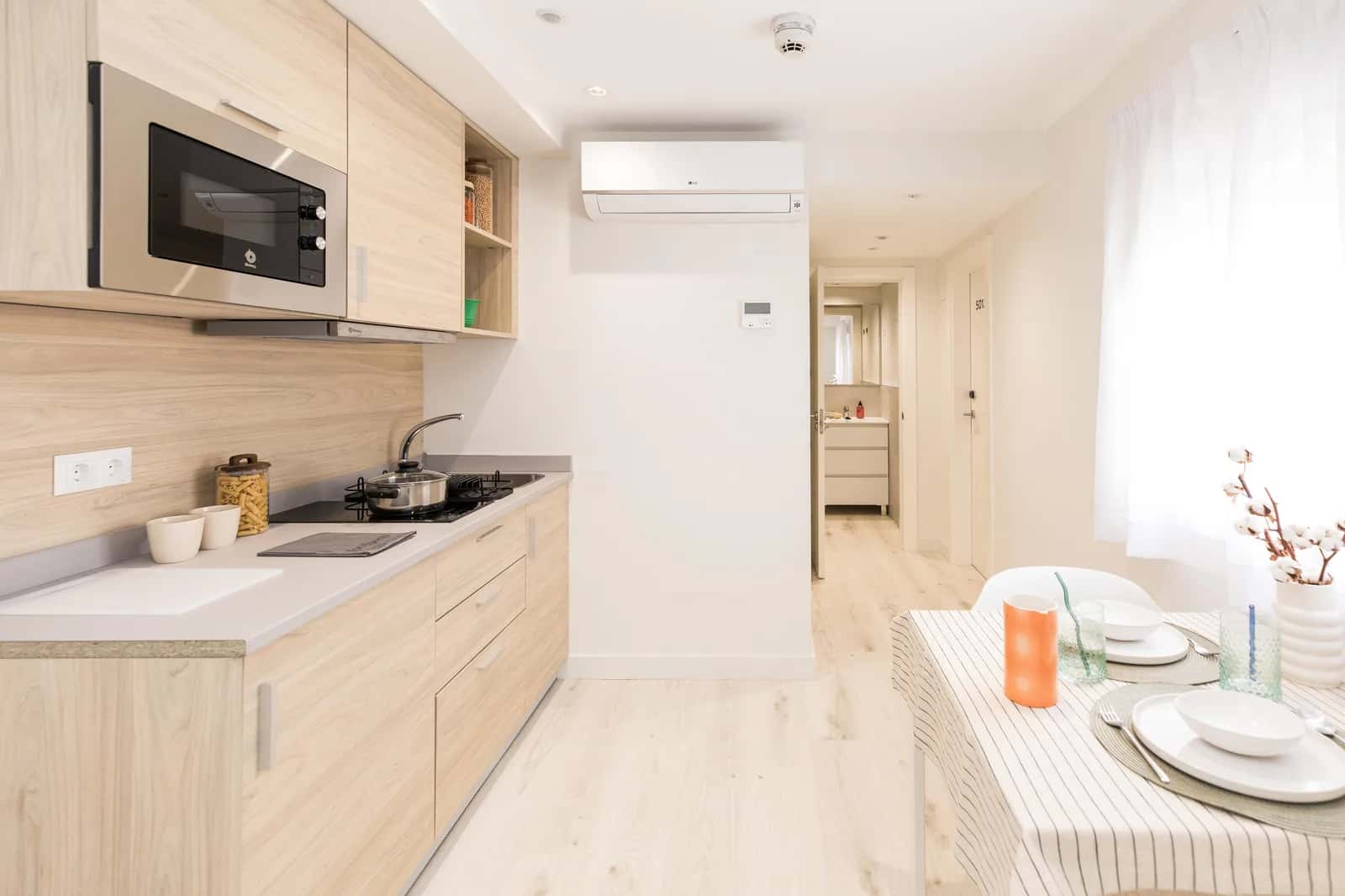
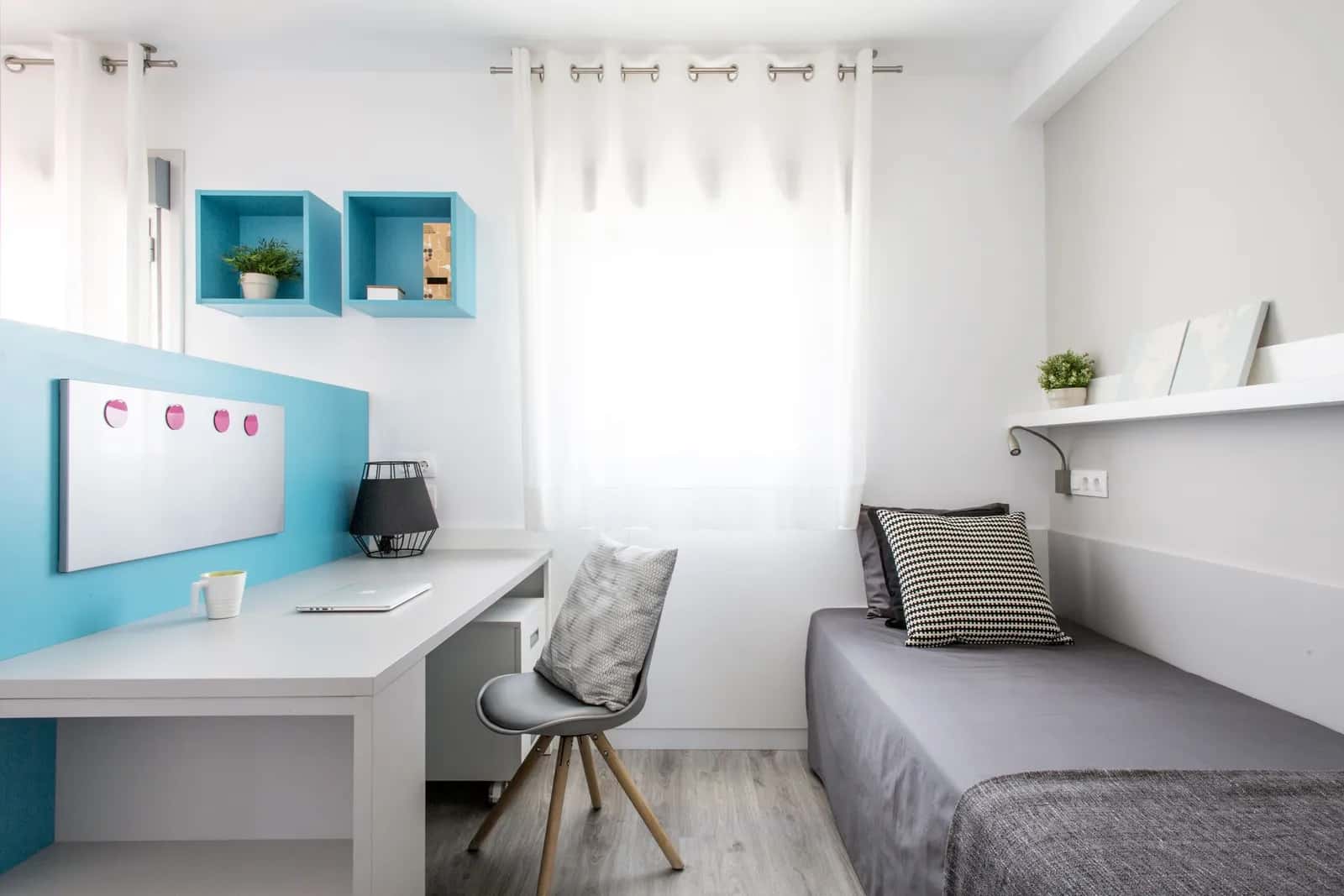
Resa Erasmo Hall of Residence
9.1 mi from centre4 room types
- Wi-Fi included
- Gym
- Bike storage
- Parking
- +4 more
Rooms available
From
€554.20/month
33 places in Madrid, showing 24
7From
€554.20/month
 30
From
€575/month
 36
From
€845/month
 35
From
€1,079/month
 9
From
€1,110/month
 7
From
€1,112/month
Choose one to narrow the listings below.
 9
From
€1,133/month
 6
From
€1,182/month
 4
From
€1,206/month
 7
From
€1,292/month
 46
From
€1,330.25/month
 60
From
€1,415/month
 66
From
€1,745/month
 23
Pricing
On enquiry
 47
Pricing
On enquiry
 28
Pricing
On enquiry
 62
Pricing
On enquiry
 25
Pricing
On enquiry
 41
Pricing
On enquiry
 21
Pricing
On enquiry
Pick a university and see the buildings around it, with the walk or the ride to campus on every one.
Use these established student areas as starting points, then compare each property's rent and route to your university.
Areas students actually take rooms in, with the buildings closest to each one. Matched by location, so a building appears under the area it stands in rather than the area its marketing claims.
The gateway to Ciudad Universitaria, where the Complutense and much of the Politécnica teach, so the student density here is the highest in Madrid. Metro lines 3 and 6 both stop, and the bus station for the north west is at Moncloa.
Just east of Argüelles and considerably calmer, nineteenth century blocks on a grid with good food shops at street level. Favoured by anyone who wants to be near the campus without living in the crowd.
The centre of Madrid's nightlife, which is both the attraction and the warning. Walkable to several faculties and to everything else, with small flats and thin walls.
North of the centre around the main northern station, residential and a good deal cheaper than the middle. The Cercanías line to Cantoblanco runs from here, which matters if you are at the Autónoma.
Half a dozen streets in the far north, around Xaudaró and Manuel Tovar, holding the single largest cluster of purpose-built student rooms in Madrid. Metro line 9 and the Cercanías, and a real commute to anywhere central.
The Autónoma's campus itself, north of the city on the Cercanías. Nothing else is out here, so the bargain is the shortest possible walk to a lecture against a train ride for everything else.
West past the Casa de Campo, leafy and suburban, on the Cercanías C-7. Quiet, comfortable, and a short train into Príncipe Pío.
Separate towns to the south where Carlos III does most of its teaching. Living here rather than commuting out from the centre saves real money and a daily hour, and the flat fare means the distance costs you nothing.
Places students in Madrid actually use. We have no arrangement with any of them.
A public library inside Retiro Park with study desks, useful for students living east of the centre.
Madrid's youth public-transport pass. Check current eligibility and fares with the regional transport authority before budgeting.
A large neighbourhood food market in Tetuán, practical for students living around Cuatro Caminos and the north.
A long riverside park and cycle route west of the centre, linking Arganzuela with Casa de Campo.
Picked by distance, price and choice, measured from the listings on this page. Not a ranking, and not a recommendation: the numbers are what they are on the day you read this.
Closest to Universidad Complutense de Madrid
Closest to Universidad Autónoma de Madrid
Closest to Universidad Politécnica de Madrid
Lowest listed rent here
Most room types to choose from
A city-by-city note about the decisions that change your daily routine. Prices and availability remain live in the listings above.
Madrid works differently from most capitals because of its transport pass. Anyone under twenty six pays one flat monthly fare for unlimited travel across the entire region, every zone included, so the usual trade-off between rent and commuting cost barely applies. That changes the shape of the decision: a room in Getafe or Alcorcón costs you time but almost nothing in fares, which is why students here spread much further out than they would in London or Paris.
Room types, what bills included really covers, when to book, and what to check if you are arriving from abroad.
Comparing options? These are the other cities in Europe where most students on our shortlist are basing themselves.
The Metro is extensive, runs until well past midnight and is the default for almost every journey inside the city. Line 6 is the circle and line 3 reaches Moncloa, which together cover most of Ciudad Universitaria. Cercanías is the suburban rail network and is what you need for Cantoblanco, Getafe and Leganés, so check which line serves your campus before choosing a neighbourhood. The night buses, known locally as búhos, cover the hours the Metro does not. Central Madrid is also flatter and more walkable than its size implies, and most of the barrios above are twenty minutes apart on foot.